Heredaste y vives afuera: aquí no hay probate. La declaratoria de herederos es por donde empieza todo, y nadie te va a llamar.
Cada semana me escribe alguien de Orlando, de Filadelfia, de Nueva York, con la misma pregunta: "¿Cuándo abre el probate de la casa de mami?"
Y les digo lo mismo. Aquí eso no existe. Lo que existe es la declaratoria de herederos en Puerto Rico, y es otra cosa.
¿Hay "probate" en Puerto Rico?
No como en Estados Unidos. Aquí empieza con dos preguntas: ¿hubo testamento? Y si no hubo, ¿quiénes son los herederos?
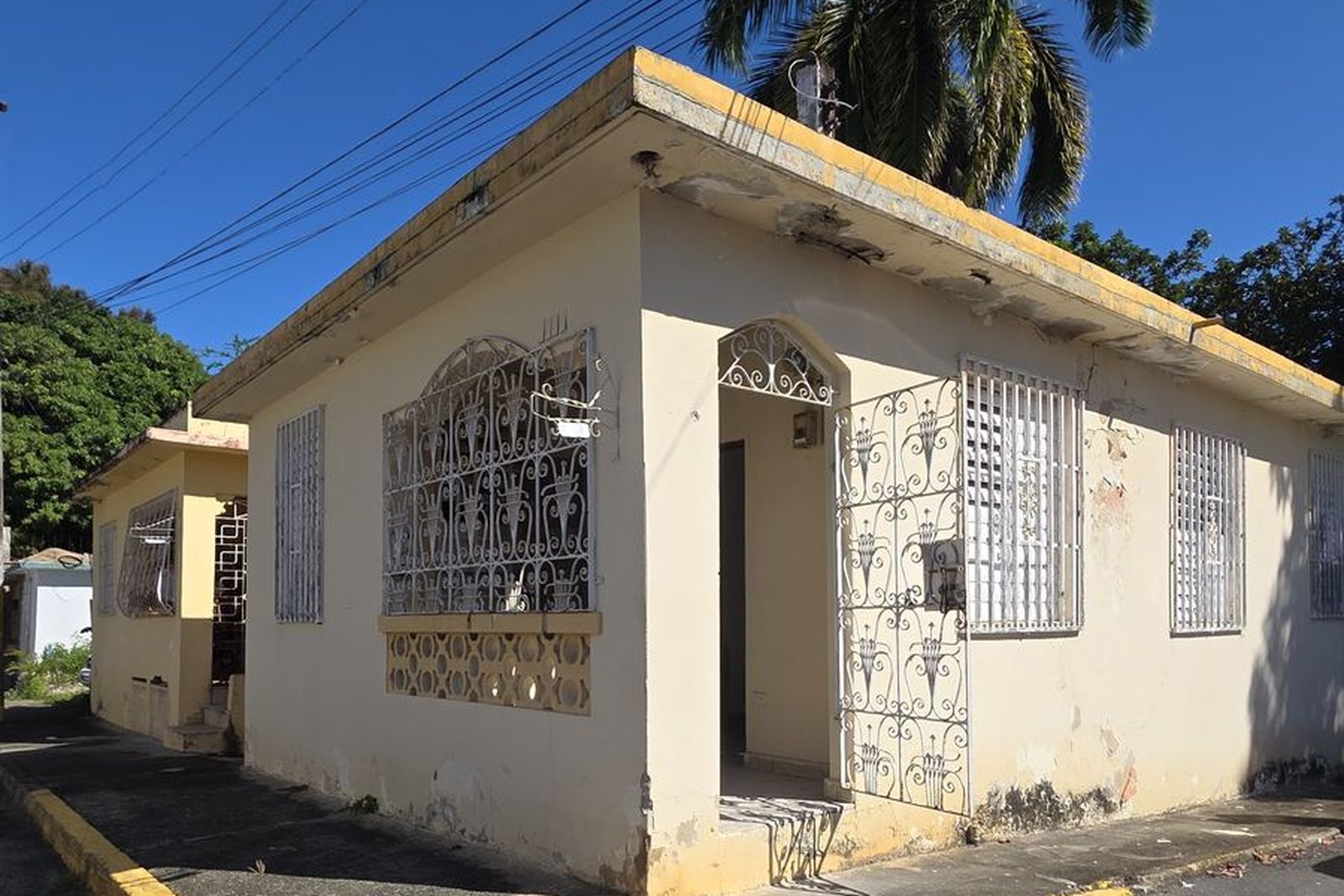
Allá el tribunal abre un caso y te dice qué hacer. Aquí nadie te va a llamar. La casa de tu mamá puede pasar veinte años a nombre de ella, cogiendo sol y comején, y el Gobierno no te manda ni una carta.
Y ahí se pierde la gente, esperando por un proceso que nunca arranca, porque aquí el que arranca eres tú.
¿Qué es una declaratoria de herederos?
Es el papel que dice oficialmente quiénes heredan, cuando no hubo testamento. Se hace en el tribunal o ante notario.
Quién hereda depende de dos cosas: si hubo testamento y cuándo murió la persona. Las muertes desde el 28 de noviembre de 2020 van por el Código Civil nuevo. Esa fecha es lo primero que hay que mirar.
Ya tengo la declaratoria, ¿por qué no puedo vender?
Porque la declaratoria solo dice quién hereda. Después falta el relevo de Hacienda, y sin ese papel no inscribes la casa, no la vendes y no sacas el dinero del banco. Tiene fecha límite; confírmala con tu abogado o CPA. Falta saldar la deuda del CRIM, falta que firmen todos los herederos, y falta que la casa quede inscrita a nombre de ustedes en el Registro de la Propiedad.
Coño, y esa es la parte que nadie te cuenta cuando te entregan el papel.
¿Tengo que coger un avión?
No necesariamente. Si vives fuera, puedes firmar con un poder. Tu notario o abogado te dice cómo firmarlo desde donde estás.
Y si la casa de tu familia lleva años así, esto es lo que te toca: nadie va a empezar por ti, y mientras tanto el CRIM sigue corriendo y la casa se cae poquito a poquito.
Las filas, las oficinas y las visitas a la casa las hago yo por mis clientes. El abogado o notario firma y radica; yo organizo el caso pa' que ese tiempo rinda.
Aquí abajo te dejo por dónde empezar.
Every week somebody writes me from Orlando, from Philly, from New York, with the same question: "When does probate open on my mom's house?"
And I tell them the same thing. There is no probate in Puerto Rico. There is the declaratoria de herederos, and it's a different animal.
Does Puerto Rico have probate?
Not the way it works in the States. It starts with two questions: was there a will? And if not, who are the heirs?
Over there the court opens a case and tells you what to do. Here nobody calls you. Your mom's house can sit in her name for twenty years, baking in the sun and feeding termites, and nobody sends you a letter.
And that's where people get stuck, waiting on a process that never starts, because here you're the one who starts it.
What is a declaratoria de herederos?
It's the paper that officially says who inherits when there was no will. Done in court or before a notary.
Who inherits depends on two things: whether there was a will, and when the person died. Deaths from November 28, 2020 go under the new Civil Code. Look at that date first.
I have the declaratoria. Why can't I sell?
Because the declaratoria only says who inherits. After that you still need the relevo from Hacienda. Without it you can't register the house, sell it, or get the money out of the bank, and it has a deadline; confirm that with your attorney or CPA. Then the CRIM debt has to be settled, every heir has to sign, and the house registered in your names at the Registro de la Propiedad.
Coño, and that's the part nobody tells you when they hand you that paper.
Do I have to get on a plane?
Not necessarily. If you live outside, you sign with a power of attorney, a poder. Your notary or attorney tells you how to sign it from there.
And if your family's house has been sitting like that for years, here's what it means for you: nobody starts this for you, and meanwhile the CRIM keeps running and the house keeps going down.
The lines, the offices and the trips to the house, I do those for my clients. The attorney or notary signs and files; I organize the case so that time counts.
Right below I left you where to start.