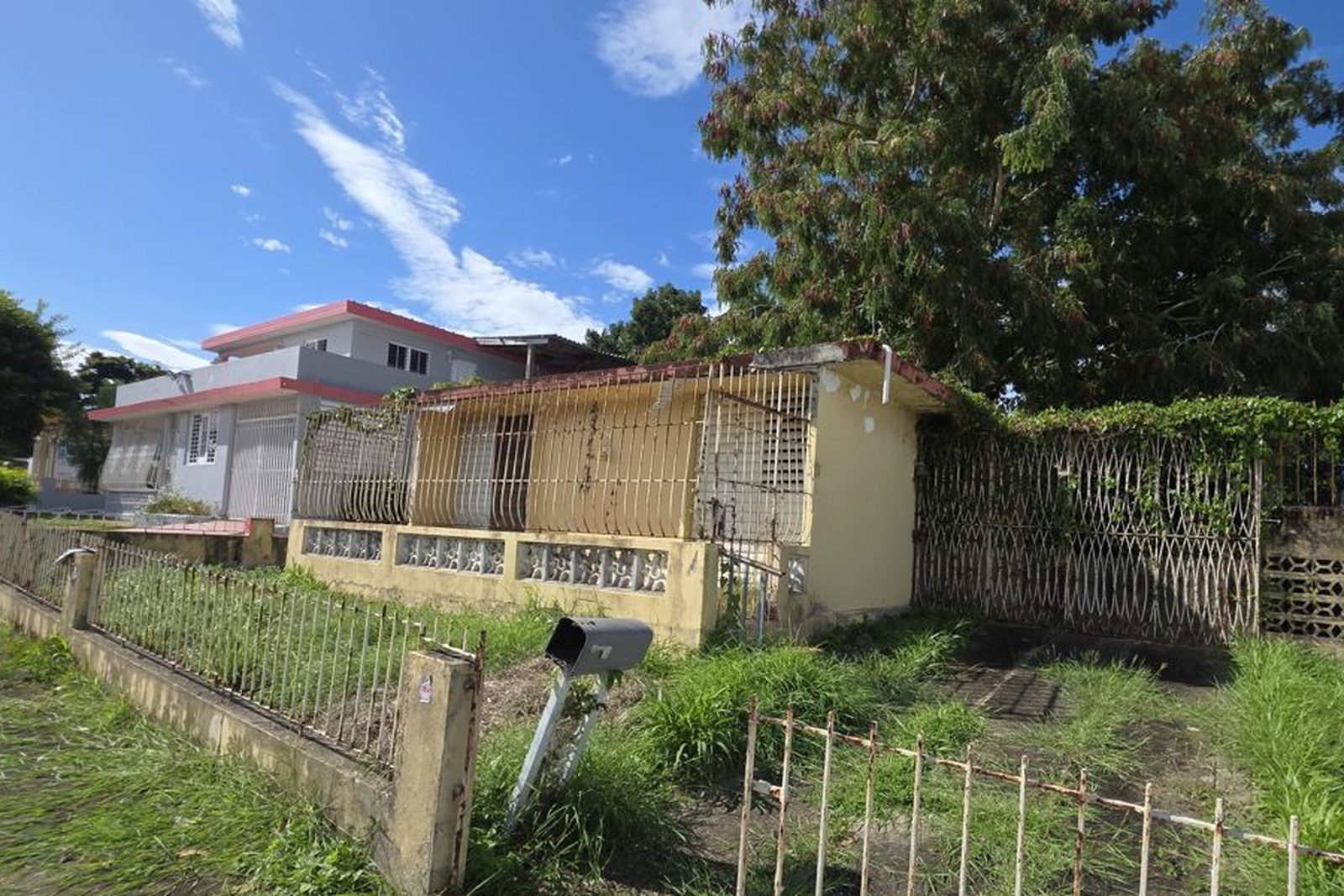
Heredaste y vives afuera y la familia ya dijo que sí. Lo que tiene que pasar antes de la firma, y lo que puedes hacer desde allá.
La llamada siempre empieza igual. "Lumi, ya hablamos todos, todo el mundo está de acuerdo en vender." Y yo pregunto: "¿Y ya firmaron?" Silencio.
Ponerse de acuerdo es fácil en el chat de la familia. Vender casa heredada con hermanos es otra cosa, y más cuando ustedes están regados entre Orlando, Filadelfia y acá.
¿Puedo vender desde Estados Unidos?
Sí. Si vives fuera, puedes firmar con un poder. Tu notario o abogado te dice cómo firmarlo desde donde estás. No tienes que coger un avión por cada papel.
Lo que no se puede es saltarse el orden.
¿Qué tiene que pasar antes de la venta?
Primero, ¿hubo testamento? Eso se mira con la certificación del Registro de Testamentos. Si no hubo, va la declaratoria de herederos, que dice oficialmente quiénes heredan.
Después viene el relevo de Hacienda. Sin ese papel no inscribes la casa, no la vendes y no sacas el dinero del banco. Tiene fecha límite; confírmala con tu abogado o CPA.
Y falta la deuda del CRIM. Pide la certificación de deuda, porque hay que saldarla antes de vender.
Al final, la casa tiene que quedar inscrita a nombre de ustedes en el Registro de la Propiedad. Hasta entonces sigue a nombre de quien murió, coño, aunque lleve diez años vacía.
Vender casa heredada con hermanos: ¿y si uno no firma?
Pa' vender la casa completa firman todos. Si uno no firma o no aparece, el camino legal lo decide un abogado. No hay atajo.
Yo pasé por esto con la casa de mi familia en Comerío. Seis herederos, meses de ir pa' atrás y pa' alante. No porque la casa fuera complicada, sino porque la gente lo es.
Y si la casa de tu familia está en esas, esto es lo que te toca: papeles que solo sirven en orden, hermanos que hay que llamar uno por uno, y una casa cerrada cogiendo comején mientras todo eso se mueve.
Esas llamadas y esas filas las hago yo por mis clientes. Hablamos con cada heredero, reunimos los papeles y organizamos el caso; el abogado o notario firma y radica.
Aquí abajo te dejo por dónde empezar.
The call always starts the same way. "Lumi, we already talked, everybody agrees, we're selling." And I ask: "Did anybody sign yet?" Silence.
Agreeing is easy on the family group chat. Selling an inherited house in Puerto Rico is another animal, especially when you're spread between Orlando, Philly and here.
Can I sell without getting on a plane?
Yes. If you live outside Puerto Rico, you can sign with a poder, a power of attorney. Your notary or attorney tells you how to sign it from where you are. You don't need to fly down for every piece of paper.
What you can't do is skip the order of things.
What has to happen before the sale
First, was there a will? You check that with a certification from the Registro de Testamentos. If there wasn't one, then comes the declaratoria de herederos, the paper that officially says who inherits.
Then the relevo from Hacienda. Without it you can't register the house, sell it, or get the money out of the bank. It has a deadline, so confirm that one with your attorney or CPA.
Then the CRIM debt. Ask for the debt certification, because it has to be settled before you sell.
And at the end, the house has to be registered in your names at the Registro de la Propiedad. Until then it's still in the name of the person who died, coño, even if it's been empty for ten years.
Selling an inherited house in Puerto Rico when one sibling won't sign
To sell the whole house, everybody signs. If one of them won't sign, or nobody can find him, an attorney decides what the legal road looks like. There is no shortcut.
I went through this with my own family's house in Comerío. Six heirs, months of back and forth. Not because the house was complicated, but because people are.
And if your family's house is sitting like that, here's what it means for you: papers that only work in order, siblings you have to call one by one, and a closed-up house feeding termites while all of it moves.
Those calls and those lines, I do them for my clients. We talk to every heir, gather the papers and organize the case; the attorney or notary signs and files.
Right below I left you where to start.